
When an outboard stops pumping water, it should be treated as an immediate warning sign rather than a minor inconvenience. A steady telltale stream is one of the clearest indicators that the cooling system is circulating water properly, and when that flow weakens or disappears, the risk of overheating and engine damage rises quickly. At Hume Marine, this is an issue seen across outboards of many ages and sizes, particularly where the cooling system has developed blockages, wear or corrosion.
This article explains what a loss of water flow can indicate, why it should never be ignored and what faults are most commonly responsible. It covers issues such as blocked intakes, damaged impellers, thermostat problems and internal corrosion, along with the warning signs that can help identify them early. It also outlines which basic checks may help confirm the problem and when the engine should be shut down and assessed by a qualified marine technician.
Consistent water flow is what prevents an outboard from overheating within minutes. The water that sprays from the telltale is not just a sign the engine is running normally, but proof that the cooling system is circulating properly and carrying heat away from critical components.
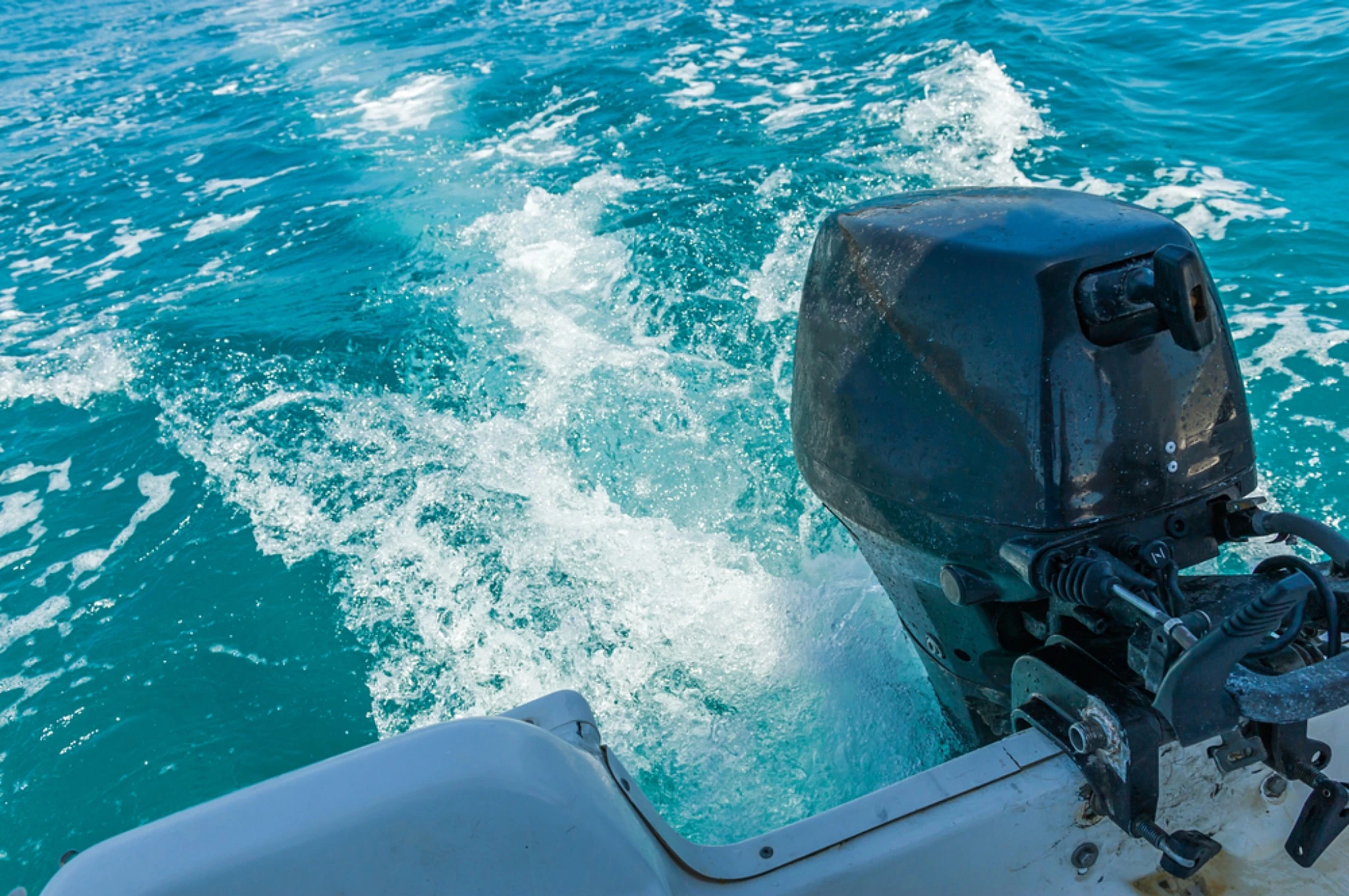
Outboard motors are water-cooled. A rubber impeller in the lower unit draws water in through intake grilles and then pushes it up through internal passages around the cylinders and cylinder head. The heated water is then expelled through the exhaust and the telltale.
That moving water absorbs combustion heat from the powerhead and keeps operating temperature within a narrow safe range. Without adequate flow, metal temperatures rise quickly. Lubricating oil thins and breaks down, and aluminium components expand. The result is rapid wear, scoring on bores and, in severe cases, seizure.
Any obstruction or failure that reduces water movement can have immediate consequences. Common results include:
If the engine continues to run with no water flow, the impeller can be destroyed by friction in a dry housing. Once the impeller fails completely, there is no cooling at all. At that point, cylinder temperatures can spike within minutes, leading to melted plastic components, warped heads and potentially cracked powerheads.
The telltale is the most visible sign that cooling water is circulating. It is not simply a cosmetic jet of water. A strong, steady stream confirms that:
A weak, intermittent or non-existent telltale indicates that water flow is compromised somewhere in the system. Salt crystal build-up, sand, mud, insect nests in the outlet or a failing impeller can all reduce flow. Even if the engine has not yet triggered an overheat warning, the situation should be treated as unsafe.
For this reason, any change in telltale behaviour should be investigated immediately. The engine should be shut down as soon as it is safe to do so until the cause is identified and corrected. Protecting water flow is one of the most important steps in preventing serious outboard damage.
When an outboard stops pumping water through the telltale, the cause is usually found in a small number of common fault areas rather than anything mysterious or catastrophic. Understanding these likely causes makes it easier to decide whether to shut the engine down immediately, carry out a simple check on the water or arrange professional attention.
Most problems relate to restricted water flow, a worn or damaged water pump, or faults in the thermostat and internal waterways. In many cases, the symptoms begin subtly, such as a weak or intermittent telltale, before progressing to complete loss of flow and overheat alarms.
The simplest and most common cause is a blockage at the water intake or at the telltale outlet. Sand, mud, weeds or plastic bags can cover the intake grilles on the lower unit and stop water from reaching the pump. Likewise, a small piece of grit, salt build-up or an insect nest can block the telltale nozzle so that water may still be circulating in the engine but is not visible at the outlet.
A quick visual inspection of the intake screens while the engine is off will often reveal weed, shells or debris that can be cleared by hand. If the intakes are clean yet the telltale is weak or absent, a piece of line trimmer cord or a small cable tie carefully worked into the telltale outlet can clear minor obstructions. If strong flow does not return within a few seconds of restarting, the engine should be shut down and investigated further.
Inside the lower unit, a rubber impeller driven by the driveshaft is responsible for lifting water to the powerhead. Over time, this impeller becomes brittle or loses blades through age, heat or running dry. A worn impeller often appears as a weak telltale at idle that improves slightly with revs and then gradually worsens over several trips. A failed impeller usually produces no telltale at all and triggers an overheat alarm if the engine is left running.
Regular replacement of the impeller as part of scheduled servicing is critical. Any suspected overheat or incident where the engine has been run without water, such as starting out of the water or using a poorly seated flushing muff, should prompt an impeller inspection.
If the pump is in good condition and the intakes are clear yet water flow is still poor or the engine overheats, the fault may lie with the thermostat or internal cooling passages. Thermostats can stick closed because of corrosion or scale, which restricts circulation and can create hot spots in the cylinder head.
Engines that see regular saltwater use without consistent flushing are more exposed to corrosion inside the cooling galleries. Symptoms can include irregular telltale flow, steam in the exhaust or an engine that runs hot at low speed but seems to improve at higher revs. Diagnosing and fixing this type of issue generally requires removal of the thermostat for testing and, in some cases, partial disassembly of the powerhead to clear internal passages. This is best handled by a qualified marine technician.
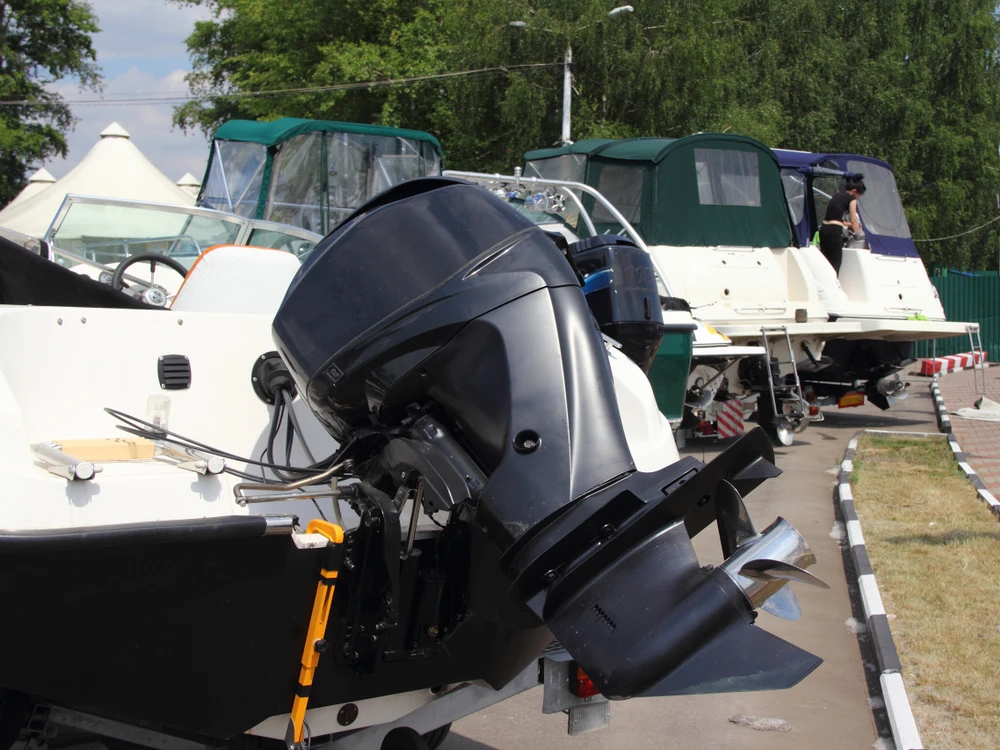
An outboard that is not pumping water properly often points to a failing or damaged impeller. Recognising the early signs can prevent a minor issue from becoming a major overheat and costly powerhead damage. Many of these symptoms begin subtly, so paying close attention whenever the engine is running is important.
A failing impeller will usually show itself through reduced water flow, rising temperatures or unusual noises. Any change in the normal behaviour of the telltale or engine temperature should be treated as a warning rather than something to leave for later.
The most obvious sign is a change in the telltale stream. In a healthy system, this should be a strong, consistent jet of water once the engine has run for a few seconds.
If the impeller is worn, cracked or missing vanes, the flow often becomes weaker or uneven. It may spit or dribble instead of forming a steady stream. At idle, the telltale might look almost normal, but when the revs increase, the stream can falter or disappear as the compromised impeller fails to keep up with demand.
A complete loss of telltale flow usually indicates a serious restriction. This can be caused by a failed impeller, a blockage in the water passage or a combination of both. If the telltale stops suddenly after previously working properly, the engine should be shut down immediately and not restarted until the cause is identified.
A failing impeller reduces water circulation through the powerhead, which leads directly to rising engine temperature. Early signs include the engine feeling hotter than usual around the cowling or exhaust area and a stronger hot smell from the engine when idling.
Most modern outboards are fitted with temperature sensors and overheat alarms. A continuous beep or a specific warning light soon after start-up or when accelerating onto the plane often indicates that the cooling system is not moving enough water. In many cases, this traces back to a worn or damaged impeller.
Some engines will automatically reduce power and drop into a safe or guardian mode when they overheat. If the engine suddenly loses power and will not rev out, yet the fuel system appears fine, the cooling system and impeller should be considered likely causes.
The water pump impeller relies on water for lubrication and cooling. If the engine has been run dry even briefly, such as on the trailer without muffs or in very shallow water, the impeller can be scorched or partially melted. Damage may not be visible externally, but the vanes can harden and crack soon after.
A failing impeller can sometimes cause a faint squealing or scraping noise from the lower unit, particularly just after start-up. Any history of recent overheating, grounding in sandy shallows or running with a blocked intake grille significantly increases the likelihood that the impeller is compromised, even if the telltale still appears acceptable.
A failed impeller is the most common cause of no telltale, but it is far from the only one. Even when the pump is working correctly, other cooling system faults can completely stop or severely reduce water flow through the motor.
Understanding these other fault areas helps narrow down the problem more quickly and avoid unnecessary parts replacement. Some of these checks are simple visual inspections, while others require workshop diagnosis.
Salt, sand, mud and small shell fragments often collect in the narrow passages of an outboard’s cooling system. Even a healthy pump cannot push water effectively through a blocked passage.
The telltale outlet is a common choke point. A piece of weed, mud or salt crystals can block the small nozzle and give the impression that there is no cooling flow at all. In many cases, the powerhead is still receiving water, but the telltale is blocked at the outlet. A short length of flexible wire or trimmer line can be used to gently clear the hole from the outside with the engine off, then the motor can be run on muffs or in a tub to confirm flow.
Internal passages can also clog, particularly on engines used in saltwater and then stored without regular flushing. Scale and salt crystals can build up in the thermostat housing, cylinder head passages and exhaust plate. Symptoms include a weak or intermittent telltale, uneven flow when revved and overheating at idle. Persistent clogging usually requires removal of the affected housings and thorough cleaning by a qualified marine mechanic in Sydney.
The thermostat and any pressure relief, or pop-off, valves are important control points in the cooling circuit. If they stick closed, water flow can be restricted enough that very little exits the telltale.
A thermostat that has failed closed will usually cause the engine to overheat quickly at low speed. There may be only a dribble from the telltale even though the pump is new. Removing the thermostat and testing it in hot water can confirm whether it is opening correctly. Heavy corrosion around the thermostat seat or a perished gasket can also disrupt normal flow.
Many larger outboards use a pressure relief valve that opens at higher rpm to allow greater flow. Salt build-up or debris under the valve can hold it partly open or prevent it from opening at all. A stuck closed valve can restrict high-rpm cooling and may also reduce visible telltale flow.
Even if the pump and passages are clear, any leak or source of air on the suction side of the system can stop water from reaching the powerhead. A split pickup tube, perished grommet or loose pump housing gasket can allow the pump to draw air instead of water. The engine may show no telltale at all, even though the impeller itself appears intact. Careful inspection of the water tube seal where it enters the powerhead and at the pump outlet is essential whenever the gearcase is removed.
Corroded exhaust plates or inner exhaust housings can also interfere with water flow. In some models, corrosion allows exhaust gas to enter the water passages, which aerates the flow and reduces the pump’s ability to push water effectively. Signs include a very hot exhaust housing and an irregular or steamy telltale. Repair usually involves removing the exhaust plate, replacing corroded sections and renewing gaskets to restore a sealed path for both exhaust and cooling water.
When the telltale stops or weakens, the engine should be treated as though it may be overheating straight away. The priority is to protect the powerhead from heat damage while working out whether the problem is something simple, such as a blocked intake, or a more serious fault within the cooling system.
A calm, methodical response on the water reduces the risk of major engine damage and can often help identify whether the motor is safe to restart or needs to be shut down and recovered.
If the engine is running and no cooling water is visible from the telltale:
Continuing to run at speed with no water flow can destroy the impeller in minutes and cause serious internal damage. After shutdown, wait briefly so any trapped steam and pressure can dissipate before touching the powerhead or surrounding components.
Look at the water around the leg. If the boat has drifted into weed, sand or floating debris, the intake screens on the lower unit may be blocked. Clear any visible growth, plastic bags or weed from the intake grilles by hand or with a boat hook.
Next, inspect the telltale outlet. Salt scale, sand, insect nests and small stones commonly lodge in this small fitting. Use a short length of soft wire or a cable tie to gently probe the outlet from the outside only. Do not force hard metal objects into the fitting, as this can damage internal hoses or fittings.
If the engine has a flush port and a water supply is available once off the water, connect a hose and flush at low pressure with the engine off. Water flowing freely out of the telltale during hose flushing, but not when running in the water, usually points to an intake or impeller issue in the leg.
After clearing obvious blockages, the engine can be restarted for a very brief test while still at idle with the boat in the water. Watch the telltale immediately. If a strong, steady stream appears within a few seconds, allow the engine to idle and continue monitoring temperature and flow.
If the telltale is weak, intermittent or completely dry, shut the engine down again. Repeated restarts without water flow increase the risk of serious damage, so this is the limit of what should be attempted on the water.
At that point, the safest option is to return at idle only if a reliable stream has returned, or arrange a tow if it has not. Further diagnosis, such as checking the water pump, thermostat or internal cooling passages, should be left to a qualified marine technician.
An outboard that is not pumping water should never be ignored, but the cause is often straightforward to identify with a methodical approach. By checking the telltale, intake screens, impeller, thermostat, pressure relief valve and internal passages, it becomes much easier to pinpoint the fault instead of relying on guesswork. Even minor issues such as blockages, worn components or small leaks can quickly lead to overheating and shortened engine life if left unresolved.
Regular servicing and early attention to warning signs are essential to maintaining reliable cooling performance and protecting the powerhead from avoidable damage. If water flow does not return quickly or the cause is unclear, the safest step is to have the outboard professionally inspected and repaired.

In 45 years of maintaining our Classic Formula 233......Ian, Scott, Patrick and the team from HUME MARINE are by far the best Marine Engineers we have ever encountered.
Our recent re-powering project involved far more than a standard engine installation, using many custom parts and applying bespoke engineering. Only an organisation like HUME MARINE with the experience and expertise we required was capable of thinking "outside the box" to make it all work.
And work it did! Thank you to Ian and his team for making our dream Formula 233 become a reality.
Fishfinder Charters have known Hume Marine for 20 years plus, Ian and his team conduct there business with total professionalism and reliability, All jobs are treated with care, good diligence and consideration toward time and cost.
He has recently installed our new Cummins main engine to Fishfinder! beautiful Job! every detail was checked comprehensively and double checked to meet survey requirements to conform with safety and reliability. We have no issues with recommending Hume Marine to service your marine mechanical needs.
We received the most extraordinary service, despite the shipyard being busy.
Communication was efficient, effective & with the our specific needs at the forefront.
All staff at Hume Marine were cooperative & helpful with backup & offers of support for us, with our new yacht was above & beyond.
We are extremely grateful to Ian & all his staff for the outstanding service & excellent workmanship at White Bay 6.
Cheerful, happy & willing to go the extra mile. Cannot thankyou enough!
Ian has looked after Sea Squire for many years including installation of a new Steyr diesel motor & a complete mechanical refit. He is always available & offers practical solutions to any issue.
Ian and Scott Hume, along with Anthony (apprentice), recently completed a FULL service onboard our 45' support craft, "The UTE", owned and operated by Iain Murray, and the sailing Team "andoo Comanche". This full service was just a fantastic job, which high levels of enthusiasm and curiosity were on show. They were genuine in their actions, as well as very skilful, and had the whole of job completed in 5 hours, 2 x main engines, 2 x transmissions, all fuel filtration, all lub-oil filtration, seawater impellers, as well as cleaning of machinery space, as they completed. This was a great job, completed by good old-fashioned service, I/we will not use anyone else for our service reliability requirements.
Ian Hume has serviced my boat Palm Beach 38 for a number of years. I have always found him to be responsive and thorough. His knowledge of the Steyr engines and the PB have been very helpful when troubleshooting and fixing problems.
Ian and the guys at Hume Marine have looked after my Caribbean 26 for around 10 years. I literally ran up over 2000 hours of game fishing off Sydney and the boat always got back me back to marina without ever once having to it get towed.
Ian and his crew completely looked and after it, regular engine servicing, engine and stern drive repairs, antifouling, electrical and general boat maintenance.
Great guy, easy to deal with and offers a reasonable price.Thoroughly recommend Hume Marine to anyone who requires boat engine maintenance, repairs, antifouling on their petrol or diesel boats.
Hume Marine has been the best company so far I've used. Wouldn't use anybody else. Do yourself a favour and use ian for your next service.
Ian and the team from Hume Marine have been looking after our boat since returning to Sydney Harbour in 2016.
As the recommended Sydney based Steyr engine expert Ian has demonstrated great knowledge and expertise in maintaining our vessel.
Not only has Ian proven himself to be reliable and trustworthy his advice has always given us great confidence in his work.
Christina and Sharon
Tally Ho
Ian has been servicing my boats for 18 years now and I highly recommend him, he has always been trustworthy and reasonably priced.


