
Few things are more frustrating than planning a day on the water only to find your boat refusing to start after a short period of inactivity. Even a few weeks tied up at the marina or parked at home can be enough for small issues to develop into no-start problems. For many owners, the cause isn’t a major failure but a combination of battery drain, fuel deterioration and moisture-related faults that quietly build up while the boat sits. If you’ve ever needed a marine diesel mechanic in Sydney, you’ll know these problems are extremely common. At Hume Marine, we see engines that ran perfectly before storage but struggle to fire after a short break, simply due to preventable issues. Understanding how inactivity affects key systems is often all that’s needed to restore safe, reliable starting.
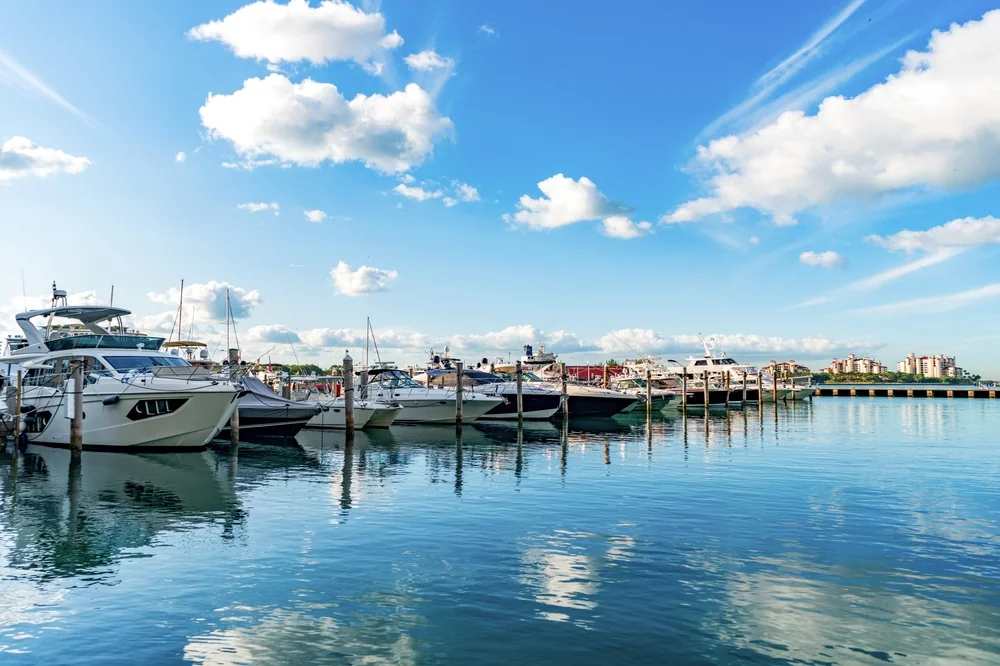
When a boat sits unused, several systems begin to degrade at the same time. Unlike cars, boats are exposed to constant humidity, temperature swings and fuel contamination risks, all of which accelerate problems during downtime. This section breaks down the most common mechanical and electrical reasons boats struggle to start after only a few weeks off the water.
Even when a boat is switched off, electrical systems rarely go completely dormant. Bilge pumps, alarms, battery monitors and small parasitic loads continue to draw power, slowly draining batteries. Eventually, this leads to insufficient cranking power, especially in diesel engines that require strong battery output to start. A battery may still show voltage but lack the amperage needed to turn the engine over properly. Common contributing factors are:
Fuel quality begins to decline surprisingly quickly when a boat isn’t used. Heat, air exposure and moisture cause fuel to oxidise and break down, particularly in marine environments where tanks “breathe” as temperatures change. These issues restrict fuel flow and prevent proper combustion, and they typically include:
Marine environments are inherently damp, and inactivity allows moisture to settle in places it normally wouldn’t during regular use. Electrical connectors, ignition components and sensors are especially vulnerable. Even minor moisture can interrupt the signals needed for starting. Moisture-related problems often involve:
When engines sit unused, moving components can become sticky or partially seized. Fuel residues dry out, leaving deposits that interfere with normal operation. Different issues often appear suddenly after storage, even if the engine ran well before. Here are some sticking points to remember:
Fuel systems, particularly on diesel engines, rely on airtight lines to maintain prime. When a boat sits, seals can dry out slightly and small air leaks may develop. Diesel engines are especially sensitive to even small amounts of air in the system. This can lead to:
When a boat refuses to start after sitting unused, it’s easy to assume a major mechanical failure. In most cases, however, no-start issues after short-term inactivity are caused by basic electrical, fuel or moisture-related problems. A systematic check before repeated cranking or calling for assistance can often restore reliable starting and prevent unnecessary strain on batteries, starters and fuel system components.
Electrical health should always be the first area checked when an engine struggles to turn over or fails to start. Marine engines rely heavily on strong battery output, and even a slightly weakened battery can cause starting problems that mimic fuel or ignition faults. Voltage readings alone can be misleading, as a battery may show acceptable voltage while lacking the amperage required for cranking.
Moisture is one of the most common and underestimated causes of starting issues in marine engines. During periods of inactivity, condensation can form inside electrical components and ignition systems, particularly in humid or coastal environments. Even small amounts of moisture can interrupt electrical signals and prevent the engine from firing, despite all components being mechanically sound. Helpful actions to practise:
Fuel issues commonly appear after periods of inactivity, particularly if the boat was stored with partially filled tanks. As fuel ages, it can break down, absorb moisture or allow contaminants to settle, leading to blocked filters and poor combustion. Attempting to start the engine repeatedly without addressing fuel quality can draw contaminated fuel deeper into the system, making the problem worse. Identifying and correcting fuel-related issues early protects injectors, pumps and carburettor components. Recommended steps:
Loss of fuel prime is a frequent cause of no-start conditions after a boat has been sitting, particularly on diesel engines. Small air leaks, dried seals or recent filter changes can allow air into the system, preventing fuel from reaching the injectors. Without proper priming, engines may crank repeatedly without firing, placing unnecessary strain on starters and batteries. General steps may include:
Many starting issues can be avoided altogether with a short pre-trip inspection before heading out after a period of inactivity. Boats that sit for weeks or months benefit greatly from a quick systems check to confirm everything is functioning as expected. These inspections don’t need to be time-consuming, but they do require consistency and attention to detail. Even ten minutes of inspection can save hours of frustration and reduce the risk of being stranded. Pre-trip checks should include:
If basic checks don’t resolve the starting issue, it’s important not to push the engine further without a professional assessment. Persistent no-start conditions often indicate deeper problems within the fuel system, electrical circuits or internal engine components that require specialised tools and experience to diagnose correctly. Continuing to crank or troubleshoot blindly can lead to additional damage and higher repair costs. A qualified marine mechanic should inspect the engine if:
Boats that won’t start after sitting for a few weeks are usually telling you something small has been neglected, not that something major has failed. Batteries, fuel quality and moisture control are the most common culprits, and they’re often preventable with routine checks. If problems persist or you want peace of mind before heading back on the water, working with an experienced marine professional makes all the difference. At Hume Marine, we help boat owners diagnose and resolve these issues quickly, so you can enjoy reliable starts and stress-free time on the water.

In 45 years of maintaining our Classic Formula 233......Ian, Scott, Patrick and the team from HUME MARINE are by far the best Marine Engineers we have ever encountered.
Our recent re-powering project involved far more than a standard engine installation, using many custom parts and applying bespoke engineering. Only an organisation like HUME MARINE with the experience and expertise we required was capable of thinking "outside the box" to make it all work.
And work it did! Thank you to Ian and his team for making our dream Formula 233 become a reality.
Fishfinder Charters have known Hume Marine for 20 years plus, Ian and his team conduct there business with total professionalism and reliability, All jobs are treated with care, good diligence and consideration toward time and cost.
He has recently installed our new Cummins main engine to Fishfinder! beautiful Job! every detail was checked comprehensively and double checked to meet survey requirements to conform with safety and reliability. We have no issues with recommending Hume Marine to service your marine mechanical needs.
We received the most extraordinary service, despite the shipyard being busy.
Communication was efficient, effective & with the our specific needs at the forefront.
All staff at Hume Marine were cooperative & helpful with backup & offers of support for us, with our new yacht was above & beyond.
We are extremely grateful to Ian & all his staff for the outstanding service & excellent workmanship at White Bay 6.
Cheerful, happy & willing to go the extra mile. Cannot thankyou enough!
Ian has looked after Sea Squire for many years including installation of a new Steyr diesel motor & a complete mechanical refit. He is always available & offers practical solutions to any issue.
Ian and Scott Hume, along with Anthony (apprentice), recently completed a FULL service onboard our 45' support craft, "The UTE", owned and operated by Iain Murray, and the sailing Team "andoo Comanche". This full service was just a fantastic job, which high levels of enthusiasm and curiosity were on show. They were genuine in their actions, as well as very skilful, and had the whole of job completed in 5 hours, 2 x main engines, 2 x transmissions, all fuel filtration, all lub-oil filtration, seawater impellers, as well as cleaning of machinery space, as they completed. This was a great job, completed by good old-fashioned service, I/we will not use anyone else for our service reliability requirements.
Ian Hume has serviced my boat Palm Beach 38 for a number of years. I have always found him to be responsive and thorough. His knowledge of the Steyr engines and the PB have been very helpful when troubleshooting and fixing problems.
Ian and the guys at Hume Marine have looked after my Caribbean 26 for around 10 years. I literally ran up over 2000 hours of game fishing off Sydney and the boat always got back me back to marina without ever once having to it get towed.
Ian and his crew completely looked and after it, regular engine servicing, engine and stern drive repairs, antifouling, electrical and general boat maintenance.
Great guy, easy to deal with and offers a reasonable price.Thoroughly recommend Hume Marine to anyone who requires boat engine maintenance, repairs, antifouling on their petrol or diesel boats.
Hume Marine has been the best company so far I've used. Wouldn't use anybody else. Do yourself a favour and use ian for your next service.
Ian and the team from Hume Marine have been looking after our boat since returning to Sydney Harbour in 2016.
As the recommended Sydney based Steyr engine expert Ian has demonstrated great knowledge and expertise in maintaining our vessel.
Not only has Ian proven himself to be reliable and trustworthy his advice has always given us great confidence in his work.
Christina and Sharon
Tally Ho
Ian has been servicing my boats for 18 years now and I highly recommend him, he has always been trustworthy and reasonably priced.


