
Preventing diesel overheating on Sydney Harbour in summer comes down to one thing: making sure your cooling system is clean, unrestricted and operating at full capacity before peak boating traffic begins. This guide is for Sydney boat owners and skippers who rely on their diesel engine during the busiest months of the year, whether you run a cruiser, commercial vessel, or weekend fishing boat. It matters because Sydney Harbour’s warm water temperatures, stop-start traffic, floating debris and long idle times can quickly expose weaknesses in your cooling system, leading to alarms, breakdowns, or costly engine damage.
At Hume Marine, we regularly help owners avoid these mid-season overheating issues, and if you are searching for a trusted marine diesel mechanic in Sydney, this article will walk you through the essential pre-season cooling checks and explain why Sydney Harbour conditions increase the risk of blockages and overheating.
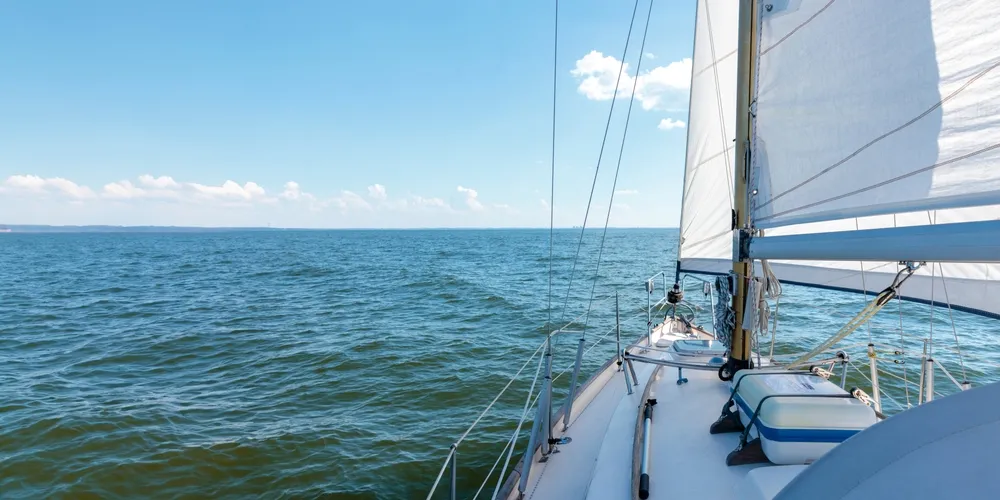
Before Sydney Harbour hits peak summer traffic, it is worth treating your cooling system like essential safety equipment. Marine diesel engines are built to run reliably for long hours, but only when cooling flow is consistent and unrestricted. Most overheating problems we see during summer do not start as major failures. They start as simple restrictions, worn components, or buildup that quietly reduces cooling performance until the engine finally hits alarm temperature.
The best approach is to check the system from start to finish. That means confirming raw water can enter freely, that the pump can circulate it properly and that heat can be transferred out of the engine efficiently through the heat exchanger and exhaust.
The intake is the beginning of your cooling system, and it is also one of the most common summer failure points. Sydney Harbour conditions mean debris, weed and general floating waste can easily get pulled towards intakes in busy boating zones.
A pre-season check should include confirming the seacock operates smoothly and that intake hoses are not cracked, perished, or leaking. Even a partial restriction can significantly reduce water flow.
Your raw water strainer also deserves special attention because it is designed to catch debris before it reaches your pump and heat exchanger. Make sure the strainer basket is cleaned thoroughly, and more importantly, ensure the lid seal is in good condition. A worn gasket or O-ring can let air into the system and reduce the pump’s efficiency without obvious symptoms at first.
Impellers are one of the most overlooked service items until they fail. Even if an impeller looks “okay”, the blades can harden and lose flexibility over time, which reduces cooling water volume. During summer, when the engine is under extra strain, that reduced flow is enough to trigger overheating alarms.
Replacing the impeller before peak season is one of the smartest preventative steps you can take. It is also important to inspect the pump housing for wear and confirm seals are not leaking. Salt staining around the pump area is a common clue that performance may already be compromised.
If impeller blades have broken off previously, it is worth confirming those pieces have not lodged further down the cooling system, as they can create intermittent blockages later.
If your engine uses a closed-loop coolant system, your heat exchanger becomes the key point for temperature stability. Heat exchangers can clog internally over time due to salt deposits, scale buildup, or marine growth, especially if servicing has been delayed.
Pre-season, it is recommended to open and inspect end caps, flush the exchanger and descale it if buildup is evident. Sacrificial anodes should also be checked and replaced if they are worn down, since they play a major role in protecting the exchanger from corrosion.
On the freshwater side, coolant level, quality and concentration should be checked. Thermostats can also become sticky over time and when they fail, the engine can run unusually hot or experience sudden spikes that feel unpredictable while on the water.
The exhaust system plays a much bigger role in cooling than many owners realise. In wet exhaust systems, seawater is injected and helps move heat away from the engine while also protecting exhaust components. If the exhaust elbow or mixing elbow becomes restricted internally, cooling water flow is reduced and temperatures climb quickly.
This is especially common in older vessels or those that run frequently in harbour conditions. Exhaust elbows often corrode internally, reducing flow without obvious external damage. If you notice overheating only when under load, or you see reduced water discharge at the exhaust outlet, the exhaust system should be inspected.
Even with a healthy cooling system, poor ventilation can raise operating temperatures in summer. Hot air needs to escape the engine bay efficiently, especially during idle-heavy harbour trips.
Check belt tension and condition as part of your pre-season routine. If belts slip under load, water pump performance can drop and cause overheating symptoms. Also make sure vents are unobstructed and that stored equipment is not blocking airflow around the engine.

Sydney Harbour is a unique marine environment. It is not just the heat of summer that causes overheating but the way boats are forced to operate in harbour traffic. More idle time, more stop-start movement and a higher concentration of floating debris create conditions where cooling systems are constantly challenged.
Understanding these harbour-specific risks helps boat owners prepare properly and explains why engines that seem fine offshore can behave differently when used around inner harbour anchorages and ferry routes.
During peak summer periods, boats spend significant time in no-wash zones, manoeuvring around moored vessels, or waiting for ferry movements. Engines remain warm during these periods, but airflow is reduced and cooling efficiency can drop.
The real issue often happens after long idling. Once the skipper increases the throttle to move through open water, engine load jumps suddenly. If cooling water flow is restricted even slightly, temperatures can rise very quickly.
Sydney Harbour is busy, and during summer the amount of debris in the water increases as boating activity increases. Seaweed and organic material also gather in certain sections depending on tides and wind direction.
This makes it easy for intakes and strainers to clog more frequently than owners expect. In many cases, overheating happens not because anything is broken, but because the engine is simply not receiving enough cooling water due to obstruction.
When raw water temperature rises in summer, the system has less capacity to absorb engine heat. That means the cooling system must perform perfectly in order to keep engine temperatures stable.
In cooler months, a partially restricted system might not show symptoms. In summer, that same restriction often becomes a full overheating event.
Sydney’s saltwater environment naturally accelerates corrosion and growth inside cooling components. Heat exchangers, exhaust elbows and internal passages can gradually narrow over years of use. That is why pre-season servicing is so important. You are not just preparing for the months ahead, you are correcting the buildup that has accumulated since the last service interval.
Sydney Harbour summer boating is incredible, but it also places extra stress on marine diesel engines due to warmer water temperatures, higher debris risks and traffic-heavy operation. Preventing overheating is largely about preparation, especially cooling system checks before peak season begins, when the harbour is at its busiest.
At Hume Marine, we always encourage boat owners to plan ahead so their summer is spent cruising Sydney Harbour, not dealing with avoidable overheating alarms and engine damage.

In 45 years of maintaining our Classic Formula 233......Ian, Scott, Patrick and the team from HUME MARINE are by far the best Marine Engineers we have ever encountered.
Our recent re-powering project involved far more than a standard engine installation, using many custom parts and applying bespoke engineering. Only an organisation like HUME MARINE with the experience and expertise we required was capable of thinking "outside the box" to make it all work.
And work it did! Thank you to Ian and his team for making our dream Formula 233 become a reality.
Fishfinder Charters have known Hume Marine for 20 years plus, Ian and his team conduct there business with total professionalism and reliability, All jobs are treated with care, good diligence and consideration toward time and cost.
He has recently installed our new Cummins main engine to Fishfinder! beautiful Job! every detail was checked comprehensively and double checked to meet survey requirements to conform with safety and reliability. We have no issues with recommending Hume Marine to service your marine mechanical needs.
We received the most extraordinary service, despite the shipyard being busy.
Communication was efficient, effective & with the our specific needs at the forefront.
All staff at Hume Marine were cooperative & helpful with backup & offers of support for us, with our new yacht was above & beyond.
We are extremely grateful to Ian & all his staff for the outstanding service & excellent workmanship at White Bay 6.
Cheerful, happy & willing to go the extra mile. Cannot thankyou enough!
Ian has looked after Sea Squire for many years including installation of a new Steyr diesel motor & a complete mechanical refit. He is always available & offers practical solutions to any issue.
Ian and Scott Hume, along with Anthony (apprentice), recently completed a FULL service onboard our 45' support craft, "The UTE", owned and operated by Iain Murray, and the sailing Team "andoo Comanche". This full service was just a fantastic job, which high levels of enthusiasm and curiosity were on show. They were genuine in their actions, as well as very skilful, and had the whole of job completed in 5 hours, 2 x main engines, 2 x transmissions, all fuel filtration, all lub-oil filtration, seawater impellers, as well as cleaning of machinery space, as they completed. This was a great job, completed by good old-fashioned service, I/we will not use anyone else for our service reliability requirements.
Ian Hume has serviced my boat Palm Beach 38 for a number of years. I have always found him to be responsive and thorough. His knowledge of the Steyr engines and the PB have been very helpful when troubleshooting and fixing problems.
Ian and the guys at Hume Marine have looked after my Caribbean 26 for around 10 years. I literally ran up over 2000 hours of game fishing off Sydney and the boat always got back me back to marina without ever once having to it get towed.
Ian and his crew completely looked and after it, regular engine servicing, engine and stern drive repairs, antifouling, electrical and general boat maintenance.
Great guy, easy to deal with and offers a reasonable price.Thoroughly recommend Hume Marine to anyone who requires boat engine maintenance, repairs, antifouling on their petrol or diesel boats.
Hume Marine has been the best company so far I've used. Wouldn't use anybody else. Do yourself a favour and use ian for your next service.
Ian and the team from Hume Marine have been looking after our boat since returning to Sydney Harbour in 2016.
As the recommended Sydney based Steyr engine expert Ian has demonstrated great knowledge and expertise in maintaining our vessel.
Not only has Ian proven himself to be reliable and trustworthy his advice has always given us great confidence in his work.
Christina and Sharon
Tally Ho
Ian has been servicing my boats for 18 years now and I highly recommend him, he has always been trustworthy and reasonably priced.


