
When something goes wrong on a boat, it can be tempting to treat the repair like a standard DIY job. While basic cleaning, inspections and simple maintenance may be manageable for owners, faults involving engines, fuel systems, wiring, steering, structure or onboard electronics carry much higher risks. These systems affect safety, seaworthiness, compliance and insurance, especially in marine environments where vibration, salt, moisture and limited access can turn small mistakes into serious problems.
Hume Marine explains which repairs should be left to a qualified boat mechanic in Sydney, why DIY work can create hidden safety risks and how boat owners can tell the difference between sensible maintenance and specialist marine repair.
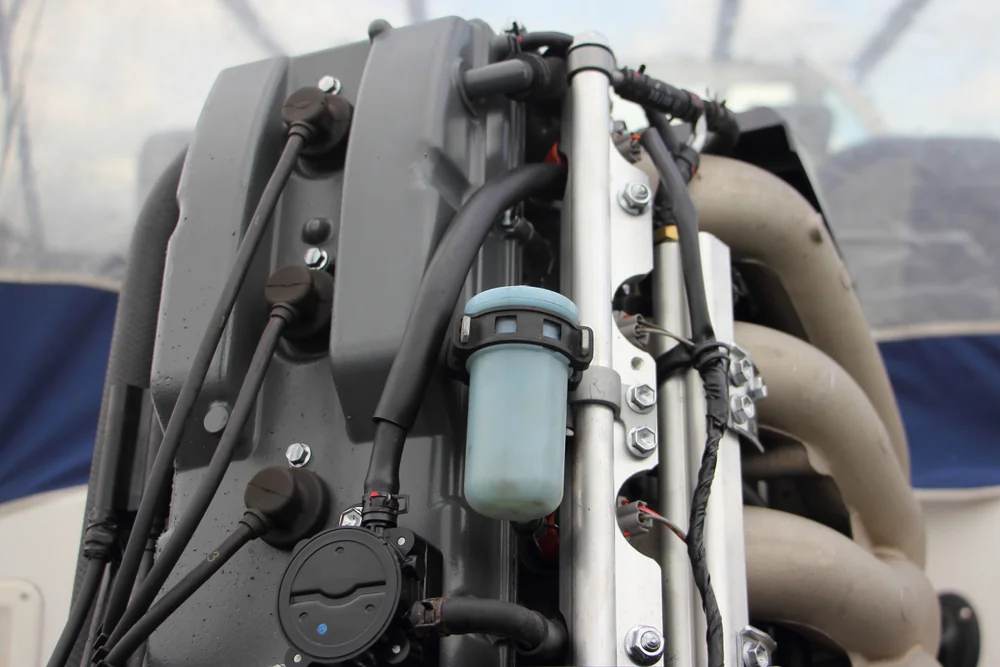
Certain boat repairs look simple on the surface but involve systems that directly affect safety, reliability and seaworthiness. What appears to be a quick weekend fix can create hidden faults that only show up under load, in rough conditions or once the vessel is already out on the water. At that point, there is often little margin for error.
Modern boats combine electrical, mechanical, structural and electronic systems in tight, moisture-prone spaces. Access is often limited, components are exposed to vibration and corrosion, and many systems rely on specific fittings, tools and installation methods. Improvised parts, incorrect wiring or poor adjustment can easily turn a minor problem into a major failure.
The key issue is not whether an owner is capable with tools. It is whether the repair affects safety, compliance or the operation of a critical system. If it does, professional diagnosis and repair are the safer option.
On land, a failed repair might lead to inconvenience. On the water, it can mean loss of propulsion, fire, flooding or loss of control. Marine environments make small mistakes more serious because boats are exposed to constant movement, salt, moisture, heat and vibration.
For example, a fuel connection that seems secure at idle may leak once the engine is under load. A loose electrical connection may only fail after vibration or corrosion increases resistance. A poorly repaired steering component may feel fine at the dock but behave differently at speed.
Many critical systems are designed around specific torque settings, marine-grade materials and approved installation paths. Using automotive parts, over-tightening fittings, routing cables incorrectly or bypassing protective devices can defeat built-in safety measures. Once the boat is underway, faults can develop quickly and leave the operator with very little time to respond.
Modern boats are no longer simple mechanical machines. Electronically controlled engines, integrated navigation systems, digital switching, smart battery management and networked displays have made many vessels highly technical. Diagnosing faults in these systems often requires manufacturer-specific software, diagnostic tools and access to service information that is not included in standard owner manuals.
Attempting to repair or rewire these systems without the right training can lead to problems such as:
These issues are not always obvious at the dock. They often appear under specific combinations of speed, load, temperature or sea conditions, which makes fault-finding much harder after an unsuccessful DIY attempt.
Many new boats, engines and onboard electronics come with warranties that require servicing and repairs to be completed by qualified technicians. Unauthorised repairs, incorrect parts or undocumented modifications can affect warranty coverage, sometimes beyond the component that was worked on.
Compliance is another important consideration. Fuel systems, electrical installations, structural repairs and safety equipment are subject to manufacturer guidelines, survey expectations and, in some cases, maritime authority requirements. Poorly executed DIY work may create issues during inspections, resale checks or insurance assessments.
Insurers may closely review fire, collision and sinking claims for signs of non-standard wiring, unapproved modifications or neglected repairs. Professional repair does more than get the boat running again. It creates a record of the work completed, helps keep repairs aligned with manufacturer requirements and reduces the risk of problems if a claim is ever reviewed.
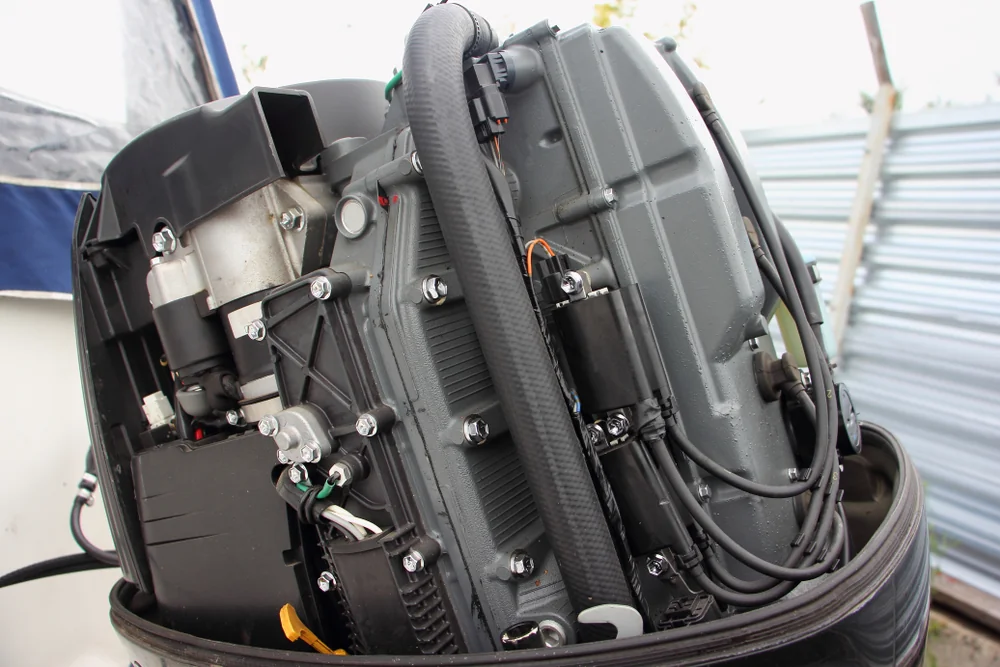
Engine and fuel system problems are among the most expensive and dangerous issues on any boat. While owners can usually complete basic checks, internal engine repairs and fuel system work require specialist knowledge, diagnostic equipment and strict safety procedures.
Incorrect work in these areas can damage the engine, void warranties or create a serious fire and explosion risk. Knowing where basic maintenance ends and professional repair begins helps prevent minor faults from becoming major failures.
Modern outboards and inboards use sensors, control modules, computer-managed fuel systems and electronic ignition. Faults that trigger alarms, limp mode, rough running or intermittent power loss are rarely solved by guesswork or simple part replacement. Proper diagnosis usually requires brand-specific scan tools, service data and live testing.
Internal engine repairs should not be attempted in a driveway or backyard. This includes work such as head gasket replacement, timing belt or timing chain replacement, valve repairs, piston repairs and cylinder work. These jobs require precise torque settings, correct timing alignment, specialist tools and strict cleanliness.
Even a small error can cause serious damage. Incorrect timing can lead to valve and piston contact. Poor assembly can cause oil starvation, coolant leaks or compression loss. In many cases, the cost of correcting a failed DIY engine repair is far higher than the original professional repair would have been.
Any repair that involves opening the fuel system should be handled by a marine mechanic trained in fuel safety. This includes replacing fuel lines in enclosed spaces, working on fuel rails or injectors, removing tanks, repairing leaks or modifying filtration systems.
Petrol vapour is heavier than air and can collect in bilges, lockers and enclosed engine spaces. A single spark from a starter motor, bilge pump, battery connection or poorly protected switch can ignite vapour and cause a fire or explosion.
High-pressure fuel injection systems also carry injury risks. Some modern systems operate at pressures high enough to penetrate skin. A trained mechanic will depressurise the system correctly, test components safely and recalibrate the engine management system where required.
Modern engines are often connected to digital gauges, power steering, electronic throttles and vessel-wide control networks. A no-start fault, alarm code or intermittent sensor issue may appear to be a simple wiring problem, but it can involve communication between multiple systems.
Marine mechanics with current wiring diagrams, diagnostic equipment and brand-specific training can locate faults without introducing new ones. Incorrect splices, unsuitable connectors, poor grounding or the wrong test equipment can cause corrosion, intermittent shutdowns or damage to sensitive control modules.
Marine electrical systems are compact, complex and exposed to salt, vibration and moisture. A mistake that might only trip a breaker in a house can start a fire or leave a boat without power on the water. Any fault involving repeated tripping, heat, burning smells, shore power or damaged wiring should be treated as professional work.
A single blown fuse after years of service may be an isolated issue. Repeatedly tripping breakers or blowing the same fuse usually points to a deeper fault. The cause may be overloaded wiring, chafed insulation, water ingress, failing equipment or an internal short.
Owners sometimes try to solve this by fitting a larger fuse or breaker, but this is extremely risky. The fuse or breaker is there to protect the wiring. Oversizing it can allow the cable to overheat behind panels, inside conduits or near combustible materials.
Any recurring fault on a 12 V or 24 V DC system, battery circuit, charging system or shore power connection should be inspected by a qualified marine electrician.
Saltwater quickly attacks exposed metal and can creep into crimp lugs, switches, terminals and circuit breakers. Corrosion increases resistance, and resistance creates heat. Over time, this can lead to melted insulation, arcing and fire.
Trying to tidy up damaged wiring with electrical tape, household connectors or hardware store terminals is not a safe solution. Marine electrical repairs require tinned marine-grade wire, correct crimping tools, heat-shrink terminals and proper circuit protection.
Any sign of melted insulation, hot connections, flickering equipment, a plastic smell or visible corrosion inside electrical panels should be treated as a professional repair.
Hull or fibreglass damage should never be dismissed as purely cosmetic. Even a small crack, soft spot or blister can point to deeper problems that affect strength, safety and insurance validity. Poor repair work can trap moisture, weaken the laminate or hide structural damage that later becomes more serious.
Correct assessment requires understanding how the boat was built, how loads move through the hull and deck and whether water has entered the structure. For suspected structural damage, a professional inspection should come before any repair method is chosen.
Groundings, collisions, hard trailer contact and heavy impacts can cause internal damage that is not visible from the outside. A star crack in gelcoat, a flat spot in the hull or cracking near fittings may indicate a deeper issue, such as:
Simply grinding out the visible damage and applying new fibreglass may hide the problem without restoring the original strength. If the internal structure has shifted, cracked or separated, the hull may flex excessively in rough water.
Cored construction, stringers and bulkheads are critical to hull stiffness. Once these elements are compromised, the repair needs to restore the structure, not just cover the surface.
Soft decks or spongy cockpit floors often indicate a wet or rotten core beneath the fibreglass skin. Drilling random holes and injecting resin or foam is a common DIY mistake that traps moisture and prevents proper drying. Correct repair may require cutting away the outer skin, removing saturated material, replacing the core and relaminating the area with suitable materials.
Stringers and bulkheads that are cracked, detached or waterlogged cannot simply be patched over. The original dimensions, layup schedule and bonding method need to be matched so the hull performs as designed.
Osmosis and hull blistering are often underestimated. Popping blisters and filling them with fairing compound only treats the surface. If the laminate is saturated, moisture can remain deep inside the hull and continue breaking down the resin.
Proper repair may involve moisture testing, stripping affected areas, allowing the hull to dry, rebuilding damaged laminate and applying suitable barrier coatings. This type of work requires specialist equipment, controlled conditions and a sound understanding of resin systems and cure times.
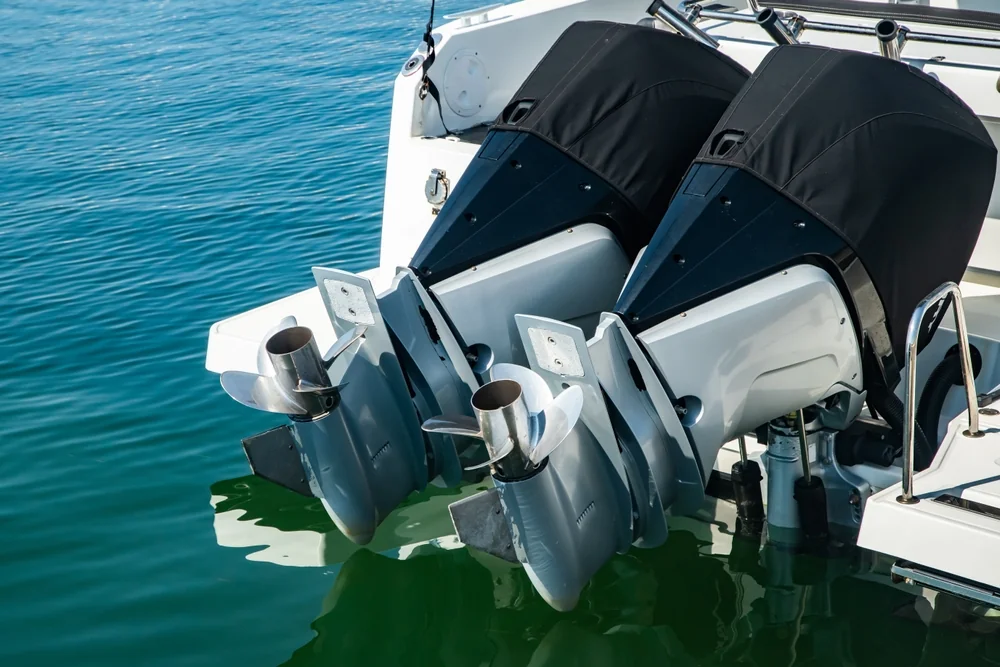
Steering, throttle controls, shift systems and trailers are all primary safety systems. If they fail on the water or on the road, the result can be loss of control, collision, injury or damage to the boat. Many issues in these areas look simple, but they involve correct adjustment, load ratings, alignment and specialised tools.
Any repair that affects the ability to steer, stop, tow or control the vessel safely should be left to a professional.
Stiff controls, delayed gear engagement, grinding when shifting or an engine that does not return cleanly to idle are signs that the control system needs proper assessment. Modern controls may combine mechanical cables with electronic shift modules, throttle sensors, engine management systems and safety interlocks.
Replacing a control cable is not just a matter of matching length. The wrong cable type, poor routing or incorrect adjustment can prevent full throttle travel or leave a gearbox partly engaged. Misadjusted shift cables on stern drives can quickly damage gearsets.
Attempts to bypass neutral safety switches, interlocks or throttle limiters to “get going” create serious danger. These systems are designed to prevent accidental movement and must only be adjusted or replaced according to manufacturer specifications.
A boat trailer is a critical safety system on the road. Repairs to the frame, axles, suspension, coupling, brakes or safety chains should not be treated as simple DIY work.
Rust in structural members, cracked crossbeams or bent drawbars can weaken the trailer and increase the risk of failure at speed. Welding on galvanised or high-stress areas requires the correct materials, preparation and load assessment. Poor welding can create hidden weak points.
Braked trailers add further complexity. Hydraulic or electric brakes, breakaway systems and actuator setups must comply with road requirements and suit the weight of the boat. Incorrect changes to callipers, master cylinders or brake settings can cause lock-up, brake fade or complete loss of braking.
The coupling, winch post, rollers and safety chains also need correct ratings and alignment. Poorly repaired or modified components can allow the boat to shift, detach or leave the trailer during towing or emergency braking.
Not every task needs a professional. Many routine maintenance jobs are safe and sensible for owners to handle, provided they do not alter critical systems. These tasks focus on cleaning, inspection, basic upkeep and early problem detection.
Regular washing helps prevent salt, grime and organic growth from damaging gelcoat, stainless fittings and painted surfaces. A gentle boat-specific detergent, soft brushes and plenty of fresh water are usually enough for routine cleaning. Extra attention should be given to fittings, non-skid surfaces, the waterline and areas where salt tends to collect.
Polishing and waxing the hull and topsides with marine-grade products is also suitable for many owners. Light oxidation can often be improved with the right polish, although aggressive cutting compounds and machine buffers should be used carefully. Interior cleaning of vinyl, windows, lockers and storage areas is another safe and useful maintenance task.
Most safety equipment should be checked regularly by the owner. Lifejackets can be inspected for fabric damage, inflation cylinder condition and expiry dates. Flares, EPIRBs and fire extinguishers should be checked for correct mounting, easy access and expiry dates, with replacements purchased when required.
Owners can also handle basic hardware upkeep. Hinges, latches and some steering linkages can be lubricated with suitable marine products. Loose screws in non-structural fittings, such as cup holders, light housings or hatch latches, can often be tightened or replaced like-for-like.
However, severe corrosion, cracking around mounting points, movement in rails or cleats, or damage to load-bearing fittings should be inspected professionally.
The line between DIY maintenance and professional marine repair comes down to consequence. Cleaning, visual checks and simple non-critical upkeep are reasonable owner tasks. Repairs involving engines, fuel systems, wiring, steering, trailer safety, structural damage and critical electronics carry much higher risks.
These repairs can affect seaworthiness, compliance, insurance outcomes and passenger safety. Knowing when a problem has moved beyond routine maintenance is part of responsible boat ownership. For critical systems, professional marine repair remains the safest way to protect the vessel, preserve its value and support reliable operation on the water.

In 45 years of maintaining our Classic Formula 233......Ian, Scott, Patrick and the team from HUME MARINE are by far the best Marine Engineers we have ever encountered.
Our recent re-powering project involved far more than a standard engine installation, using many custom parts and applying bespoke engineering. Only an organisation like HUME MARINE with the experience and expertise we required was capable of thinking "outside the box" to make it all work.
And work it did! Thank you to Ian and his team for making our dream Formula 233 become a reality.
Fishfinder Charters have known Hume Marine for 20 years plus, Ian and his team conduct there business with total professionalism and reliability, All jobs are treated with care, good diligence and consideration toward time and cost.
He has recently installed our new Cummins main engine to Fishfinder! beautiful Job! every detail was checked comprehensively and double checked to meet survey requirements to conform with safety and reliability. We have no issues with recommending Hume Marine to service your marine mechanical needs.
We received the most extraordinary service, despite the shipyard being busy.
Communication was efficient, effective & with the our specific needs at the forefront.
All staff at Hume Marine were cooperative & helpful with backup & offers of support for us, with our new yacht was above & beyond.
We are extremely grateful to Ian & all his staff for the outstanding service & excellent workmanship at White Bay 6.
Cheerful, happy & willing to go the extra mile. Cannot thankyou enough!
Ian has looked after Sea Squire for many years including installation of a new Steyr diesel motor & a complete mechanical refit. He is always available & offers practical solutions to any issue.
Ian and Scott Hume, along with Anthony (apprentice), recently completed a FULL service onboard our 45' support craft, "The UTE", owned and operated by Iain Murray, and the sailing Team "andoo Comanche". This full service was just a fantastic job, which high levels of enthusiasm and curiosity were on show. They were genuine in their actions, as well as very skilful, and had the whole of job completed in 5 hours, 2 x main engines, 2 x transmissions, all fuel filtration, all lub-oil filtration, seawater impellers, as well as cleaning of machinery space, as they completed. This was a great job, completed by good old-fashioned service, I/we will not use anyone else for our service reliability requirements.
Ian Hume has serviced my boat Palm Beach 38 for a number of years. I have always found him to be responsive and thorough. His knowledge of the Steyr engines and the PB have been very helpful when troubleshooting and fixing problems.
Ian and the guys at Hume Marine have looked after my Caribbean 26 for around 10 years. I literally ran up over 2000 hours of game fishing off Sydney and the boat always got back me back to marina without ever once having to it get towed.
Ian and his crew completely looked and after it, regular engine servicing, engine and stern drive repairs, antifouling, electrical and general boat maintenance.
Great guy, easy to deal with and offers a reasonable price.Thoroughly recommend Hume Marine to anyone who requires boat engine maintenance, repairs, antifouling on their petrol or diesel boats.
Hume Marine has been the best company so far I've used. Wouldn't use anybody else. Do yourself a favour and use ian for your next service.
Ian and the team from Hume Marine have been looking after our boat since returning to Sydney Harbour in 2016.
As the recommended Sydney based Steyr engine expert Ian has demonstrated great knowledge and expertise in maintaining our vessel.
Not only has Ian proven himself to be reliable and trustworthy his advice has always given us great confidence in his work.
Christina and Sharon
Tally Ho
Ian has been servicing my boats for 18 years now and I highly recommend him, he has always been trustworthy and reasonably priced.


